




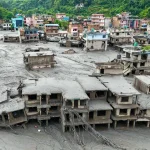


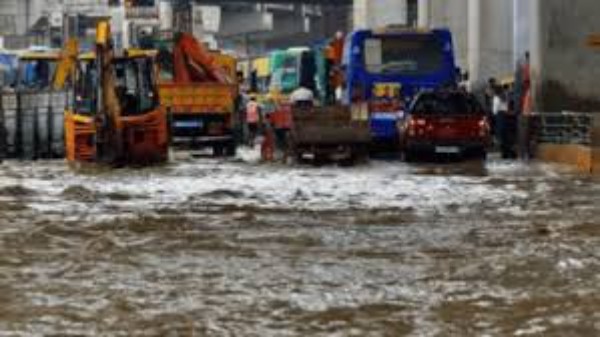
Bengaluru experienced more than 130 mm of rainfall within just 12 hours, triggering severe urban flooding that claimed three lives, submerged over 500 homes, and overwhelmed major roads, underpasses, and lakes across the city.
Bengaluru, often referred to as the “Silicon Valley of India,” is one of the country’s most rapidly growing cities.
Known for its thriving tech industry, pleasant weather, and vibrant culture, Bengaluru has become a major hub for professionals and migrants from all over India and abroad. However, in recent years, this fast-growing metropolis has been grappling with a troubling and dangerous problem — urban flooding.
WHAT IS URBAN FLOODING?
Urban flooding occurs when intense rainfall overwhelms drainage systems in densely built environments, leading to waterlogging and inundation. Unlike rural floods, urban flooding develops quickly and often cripples infrastructure. This phenomenon has been witnessed in several Indian cities, including Mumbai (2005), Chennai (2015), and Hyderabad (2020).
CAUSES OF BENGALURU FLOODS:
NATURAL CAUSES:
- Heavy Monsoon Rains: The southwest monsoon brings intense downpours to the region, with daily rainfall in July often exceeding 100 mm.
- Topography: Bengaluru’s undulating terrain, with natural valleys like Hebbal and Koramangala-Challaghatta, creates natural basins prone to water accumulation.
MAN-MADE CAUSES:
- Encroachment of Lakes & Wetlands: According to IISc, the city has lost 79% of its water bodies over the past four decades due to unchecked urban sprawl.
- Neglected Stormwater Drains: Rajakaluves (storm drains) are frequently blocked, buried, or encroached upon, severely reducing their capacity to carry runoff.
- Outdated Urban Planning: The city’s Comprehensive Development Plan (CDP) and zoning laws have failed to keep pace with increasing urban density and climate variability.
- Unregulated Construction: Many tech parks and residential complexes are illegally built on floodplains and buffer zones, flouting environmental guidelines.
- Administrative Gaps: Fragmented governance and lack of coordination between civic bodies hinder timely response and long-term planning.
IMPACT OF URBAN FLOODING
- Loss of Life and Property: The 2025 monsoon resulted in three fatalities and severe inundation in areas like Koramangala, Bellandur, and the Outer Ring Road (ORR).
- Economic Disruption: Flooding in the IT corridor led to significant operational losses, impacting India’s $194 billion tech export industry.
- Public Health Risks: Prolonged waterlogging fosters the spread of vector-borne diseases and leads to water contamination-related illnesses.
- Infrastructure Breakdown: Metro services, roads, and electrical grids often suffer prolonged outages during peak rains, affecting millions.
LEARNING FROM GLOBAL BEST PRACTICES
- Singapore – The SWAN System: Smart sensors monitor water levels and trigger real-time flood alerts, ensuring quick responses.
- Netherlands – “Room for the River”: Strategic river widening and floodplain management reduce urban flood risks.
- China – “Sponge Cities”: Urban infrastructure like permeable pavements and green roofs help absorb rainwater sustainably.
- New Orleans – FLOAT House: Floating homes that rise with water levels, minimizing flood damage and displacement.
WAY FORWARD:
- Restore Natural Drainage Systems: Rejuvenate lakes, wetlands, and rajakaluves as per IISc and NDMA recommendations.
- Routine Desilting: Institutionalize annual desilting of secondary and tertiary drains before monsoons, monitored by independent audits.
- Reform Urban Planning: Update the CDP to incorporate flood-risk zoning, green buffers, and resilient infrastructure requirements.
- Leverage Smart Technology: Deploy IoT-based monitoring and integrate real-time flood forecasting dashboards for emergency response.
- Strengthen Governance: Empower BBMP with greater autonomy, enforce stricter accountability, and ensure coordinated action across agencies.
Bengaluru’s recurring urban floods are no longer just weather-related events—they’re symptomatic of systemic governance and planning failures. To protect its future, the city must embrace a climate-resilient, ecologically informed approach to urban development. Bengaluru was once a city of interconnected lakes. To prevent it from becoming a city submerged, it must urgently reconnect with its natural systems and enforce sustainable planning.