







New Delhi | August 30, 2026
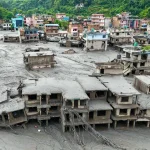
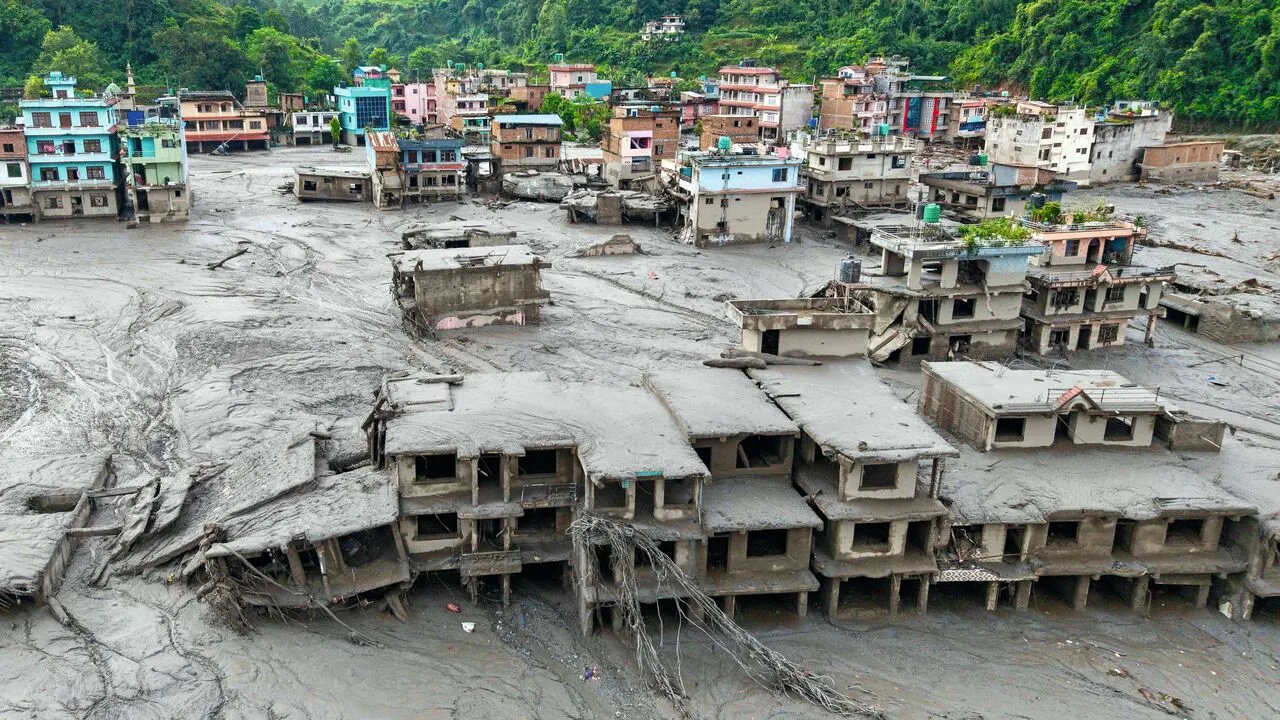
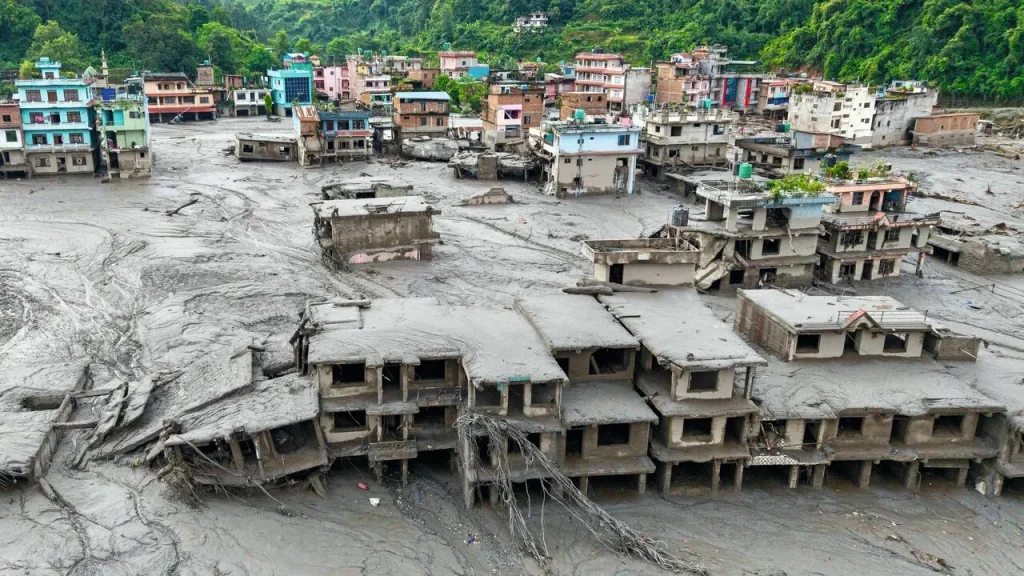
Nepal is facing one of its deadliest natural disasters in recent years after a catastrophic flash flood struck the Himalayan region along the Nepal-China border on August 26. The disaster, triggered by a massive ice-and-rock collapse, sent torrents of water, mud and debris through river valleys, destroying settlements, roads, bridges and critical infrastructure.
The disaster has killed more than 750 people across Nepal and Tibet, while more than 3,000 people remain missing, according to the latest reports. Nepalese authorities have reported hundreds of deaths within the country, while China has also confirmed casualties and missing people in Tibet. Search and rescue operations remain underway amid difficult weather and terrain.
What Happened in Nepal?
The flash flood struck the Bhote Koshi River system in northern Nepal after an ice and rock avalanche in the Himalayan region. The sudden collapse sent a huge volume of water and debris downstream, rapidly raising river levels and overwhelming communities.
The flood devastated areas around the Rasuwa district and the Nepal-China border, affecting homes, roads, bridges, hydropower projects and other infrastructure. Nepal’s Ministry of Foreign Affairs said the disaster caused extensive damage and displaced communities, while government agencies were mobilised for search, rescue, evacuation and relief operations.
The scale and speed of the flooding left many people with little time to escape.
Death Toll and Missing People
The human toll has continued to rise as rescuers recover bodies from rivers, debris and damaged infrastructure.
As of August 30, reports put the regional death toll at more than 750, with Nepal accounting for the majority of confirmed fatalities. More than 3,000 people remain missing across Nepal and Tibet. The figures remain provisional as rescue teams continue to reach remote and heavily damaged areas.
Among those missing are local residents, hydropower workers, tourists and pilgrims. Several foreign nationals were also reported missing after the disaster struck routes used by people travelling towards Tibet and the Mount Kailash region.Rescue and Relief Operations
Nepal has mobilised thousands of security personnel and emergency workers for search-and-rescue operations. Helicopters are being used to reach isolated communities, transport survivors and recover bodies from areas inaccessible by road.
However, rescue efforts have been complicated by damaged roads and bridges, difficult mountainous terrain, unstable slopes and rising river levels. Authorities have also warned of the possibility of further flooding in vulnerable areas.
The International Federation of Red Cross and Red Crescent Societies (IFRC) has released emergency funding to support the Nepal Red Cross Society’s response, including assistance for communities affected by the floods.
Infrastructure Damage
The flash flood has caused extensive damage to Nepal’s critical infrastructure.
Roads and bridges connecting communities and border areas have been destroyed or severely damaged. Hydropower facilities located along the river system have also been affected, with workers reported missing from some project sites.
The destruction of transport links is creating additional difficulties for rescue teams trying to reach isolated communities and deliver food, medicine and other emergency supplies.
The disaster has also disrupted important cross-border connectivity between Nepal and China, adding to the economic consequences of the catastrophe.
Why Was the Flood So Destructive?
Scientists and disaster experts believe the disaster was linked to a glacial or ice-rock collapse in the rapidly warming Himalayan environment.
The sudden release of water and debris produced an extremely powerful downstream surge. Preliminary assessments indicate that river levels rose dramatically within a short period, leaving communities with limited time to respond.
Experts have increasingly warned that climate change is destabilising high-altitude environments. Rising temperatures can contribute to glacier retreat, permafrost thaw and greater instability of mountain slopes, potentially increasing the risk of glacial lake outburst floods, landslides and ice-rock avalanches.
Climate Change and the Himalayan Risk
The Nepal disaster has once again highlighted the vulnerability of the Himalayan region to climate-related hazards.
The Hindu Kush Himalayan region contains thousands of glaciers that feed major river systems across Asia. Scientists have warned that warming temperatures are altering glacier and mountain conditions, creating new risks for communities living downstream.
For countries such as Nepal, where settlements, roads, hydropower projects and tourism routes are often located in narrow mountain valleys, sudden floods and landslides can cause enormous damage.
The disaster has renewed calls for stronger early-warning systems, glacier monitoring, hazard mapping and climate-resilient infrastructure across the Himalayas.
Government Response
Nepal’s government has continued to coordinate rescue, relief and recovery operations through its security forces, disaster-management agencies, local authorities and health services.
Officials are also monitoring downstream river systems because of concerns over additional flooding. The Ministry of Foreign Affairs has said that authorities are using available resources for search, rescue and relief operations.
The government is expected to face a major reconstruction challenge once emergency operations conclude, given the scale of damage to infrastructure and communities.
What Lies Ahead?
The immediate priority remains finding survivors and locating people who are still missing. Rescue teams are continuing to search riverbanks, damaged settlements and infrastructure sites.
At the same time, Nepal faces the longer-term challenge of rebuilding roads, bridges, hydropower infrastructure and homes while strengthening disaster preparedness in vulnerable Himalayan communities.
The August 26 flash flood serves as a stark reminder of the growing risks faced by mountain communities in a warming climate. For Nepal and the wider Himalayan region, improving early-warning systems, investing in resilient infrastructure and strengthening regional cooperation could become increasingly important in preventing future disasters from becoming humanitarian catastrophes.
The Nepal flash flood is not only a disaster story but also a warning about the growing intersection of climate change, fragile mountain ecosystems and human development in the Himalayas.