





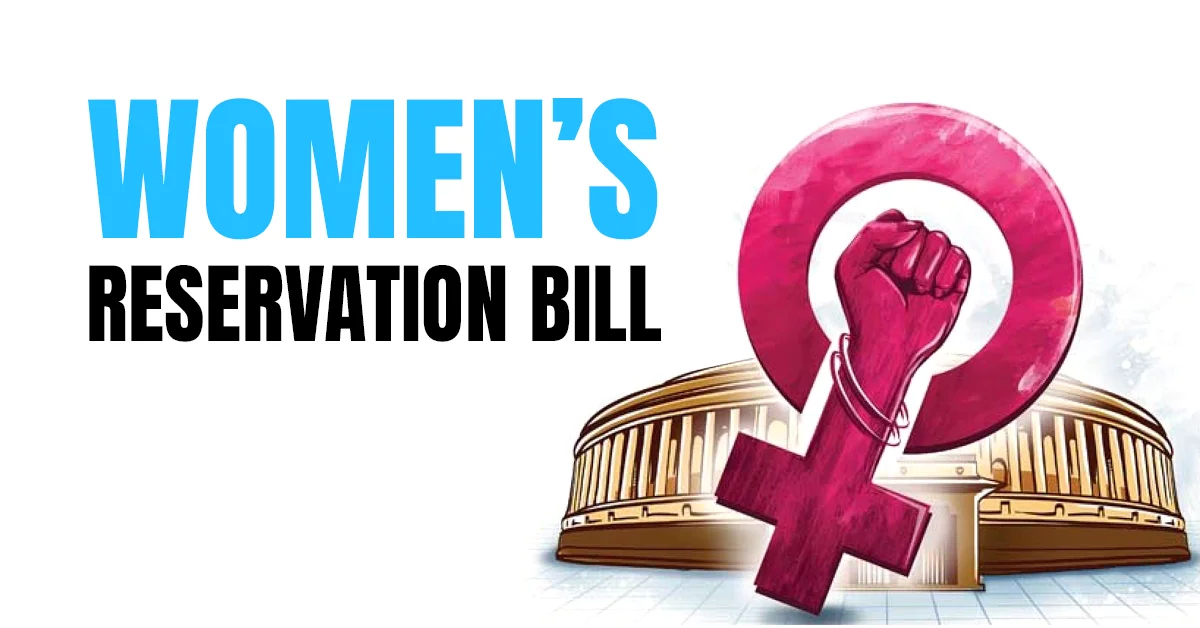
New Delhi, April 17, 2026 — A major legislative push to advance women’s political representation in India suffered a setback on Friday after the Women’s Reservation–linked constitutional amendment bill failed to secure passage in the Lok Sabha.
The proposed legislation, part of a broader reform package, aimed to operationalise 33% reservation for women in Parliament and state assemblies ahead of the 2029 general elections.
While the government secured a simple majority with 298 votes in favor and 230 against, the Bill failed to meet the mandatory two-thirds majority required for a Constitutional Amendment. The defeat marks a significant setback for the ruling NDA government, which had called a special session to operationalize the 33% quota for women in time for the 2029 General Elections.
What the Bill Proposed
The Constitution (131st Amendment) Bill, 2026 sought to fast-track the implementation of women’s reservation by delinking it from the delayed census process mandated under the 2023 law, commonly known as the Nari Shakti Vandan Adhiniyam.
In addition, the bill proposed a significant restructuring of India’s electoral framework, including:
- Increasing the strength of the Lok Sabha from 543 to around 850 seats
- Redrawing parliamentary constituencies through delimitation
- Ensuring one-third of seats are reserved for women
Supporters argued that these changes were necessary to reflect population shifts and accelerate women’s participation in governance.
However, the 2023 law remains “in limbo” because its implementation is tied to a census and delimitation exercise that has not yet occurred. The 131st Amendment was designed to bypass these hurdles by:
-
Decoupling the quota from the next official Census.
-
Increasing Lok Sabha seats from 543 to 815.
-
Using 2011 Census data to redraw constituencies immediately.
Why the Bill Failed
Despite broad agreement across parties on the need for greater representation of women, the bill became mired in controversy due to its linkage with delimitation—the redrawing of electoral boundaries.
Opposition parties strongly opposed this aspect, alleging it could alter the political balance between states and favor certain regions. Many leaders argued that women’s reservation should be implemented independently, without being tied to structural electoral changes.
During voting, the bill received significant support but ultimately failed to meet the constitutional threshold required for passage.
Political Reactions
The outcome triggered sharp reactions from both sides of the aisle.
- The government described the defeat as a missed opportunity to empower women and expand democratic representation.
- Opposition leaders, while reiterating support for women’s reservation, termed the bill’s defeat a “victory for democracy,” arguing that it prevented controversial electoral restructuring.
Background: A Long-Pending Reform
Women’s reservation in legislatures has been debated in India for decades. While the 2023 constitutional amendment formally approved a 33% quota, its implementation was tied to a future census and delimitation exercise—delaying its rollout.
Currently, women make up only about 14% of Lok Sabha members, highlighting the continued gender gap in political representation.
What Happens Next
With the bill’s failure, the timeline for implementing women’s reservation remains uncertain. The government has indicated it will continue to push for reforms, but achieving political consensus on the contentious issue of delimitation remains a key challenge.